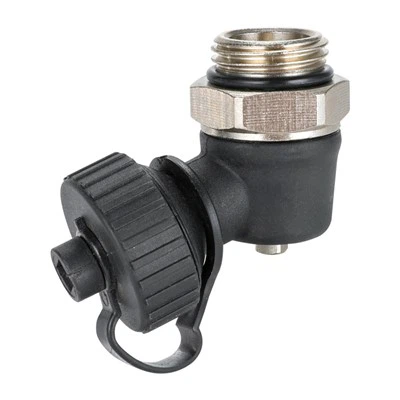
In the realm of radiator systems, the Straight H Valve plays a pivotal role in ensuring efficient and effective operation. As a reputable supplier of Straight H Valves, I am well - versed in the standards that govern these essential components. In this blog, I will delve into the various aspects that define the standards for a Straight H Valve.
Structural Compatibility and Design
One of the primary standards for a Straight H Valve is structural compatibility. The valve must be designed to seamlessly integrate with different radiator systems. It should have a standardized connection size, which is typically measured in inches or millimeters. For instance, common connection sizes for radiator valves range from 1/2 inch to 1 inch. This standardization allows the valve to be easily installed on a wide array of radiators, eliminating the need for complex modifications during the installation process.
The design of the Straight H Valve should also be user - friendly. It should have clearly marked controls, whether it is a manual valve or an automatic one. In the case of Straight Manual Radiator Valve, the control knob or handle should be easy to grip and turn, enabling users to adjust the flow of hot water or steam through the radiator with minimal effort. For Straight Automatic Radiator Valve, the sensor and actuator mechanisms should be well - protected within the valve body, ensuring accurate temperature regulation.
Material Quality
The materials used in the construction of a Straight H Valve are of utmost importance. The valve body is typically made of high - quality brass or bronze. These metals offer excellent corrosion resistance, which is crucial as the valve is constantly in contact with water or steam. Corrosion can lead to leaks, reduced valve performance, and even complete failure.
The internal components, such as the valve seat and stem, also need to be made of durable materials. Stainless steel is a common choice for these parts as it provides high strength and resistance to wear and tear. Additionally, the seals and gaskets used in the valve should be made of elastomers that can withstand high temperatures and pressures. For example, nitrile rubber (NBR) is often used for seals as it has good heat and oil resistance properties.
Performance Standards
Flow Rate
A critical performance standard for a Straight H Valve is its flow rate. The valve should be able to control the flow of hot water or steam through the radiator within a specific range. This range is determined by the size of the radiator and the overall heating system requirements. For small - sized radiators, a lower flow rate may be sufficient, while larger radiators may require a higher flow rate to ensure proper heating.
The flow rate of the valve is usually specified in liters per minute (L/min) or gallons per minute (GPM). A well - designed Straight H Valve should be able to maintain a consistent flow rate under different operating conditions, such as changes in pressure and temperature.
Pressure Rating
The pressure rating of the Straight H Valve is another important performance standard. It must be able to withstand the maximum pressure that the heating system can generate. In most residential and commercial heating systems, the pressure range can vary from a few pounds per square inch (psi) to several tens of psi.
The valve should be tested to ensure that it can operate safely and effectively within this pressure range. Over - pressurization can lead to valve damage, leaks, or even explosions. Therefore, the valve's pressure rating should be clearly marked on the valve body, and it should be selected based on the specific requirements of the heating system.
Temperature Resistance
Since Straight H Valves are used in heating systems, they must be able to withstand high temperatures. The valve should be designed to operate within a specific temperature range, typically from around 50°C (122°F) to 150°C (302°F) depending on the application.
The materials used in the valve construction should not degrade or lose their mechanical properties at these high temperatures. For example, the seals and gaskets should not melt or become brittle, and the valve body should not warp or crack.
Safety Standards
Leakage Prevention
One of the most important safety standards for a Straight H Valve is leakage prevention. Even a small leak can lead to energy waste, water damage, and potential safety hazards. The valve should be tested to ensure that it meets strict leakage standards.
Manufacturers typically use pressure tests to check for leaks. The valve is subjected to a specified pressure, and if there is any detectable leakage, it fails the test. Additionally, the valve should be designed with proper sealing mechanisms, such as O - rings and gland packing, to prevent leaks from occurring during normal operation.
Over - temperature and Over - pressure Protection
In some cases, the heating system may experience abnormal conditions, such as over - temperature or over - pressure. A high - quality Straight H Valve should be equipped with safety features to protect against these situations.
For over - temperature protection, the valve may have a thermal cut - off mechanism. When the temperature exceeds a certain limit, the valve automatically shuts off the flow of hot water or steam to prevent damage to the radiator and the valve itself. Similarly, for over - pressure protection, the valve may have a pressure relief valve that opens when the pressure exceeds a safe level, releasing the excess pressure and preventing potential explosions.


Compliance with Industry Regulations
Straight H Valves must comply with various industry regulations and standards. In the United States, for example, valves used in heating systems must comply with the standards set by the American Society of Mechanical Engineers (ASME) and the National Fire Protection Association (NFPA).
These regulations cover aspects such as design, construction, testing, and labeling of the valves. Compliance ensures that the valves are safe, reliable, and of high quality. As a supplier, we ensure that all our Straight H Valves meet or exceed these industry regulations.
Environmental Considerations
In recent years, environmental considerations have become increasingly important in the design and manufacturing of valves. A good Straight H Valve should be energy - efficient. By accurately controlling the flow of hot water or steam through the radiator, it can help reduce energy consumption and lower heating costs.
The materials used in the valve should also be environmentally friendly. For example, the use of lead - free brass in the valve construction is becoming more common to avoid the potential release of harmful substances into the environment. Additionally, the valve should be recyclable at the end of its useful life.
Conclusion
In conclusion, the standards for a Straight H Valve cover a wide range of aspects, including structural compatibility, material quality, performance, safety, compliance with regulations, and environmental friendliness. As a supplier, we are committed to providing high - quality Straight H Valves that meet all these standards.
If you are in the market for a reliable and high - performing Straight H Valve, or if you have any questions regarding our products, feel free to contact us for procurement discussions. We have a team of experts ready to assist you in finding the perfect valve for your heating system.
References
- ASME Standards Handbook - Pressure Technology (ASME International)
- National Fire Protection Association (NFPA) Codes and Standards
- Standards for Radiator Valves - Industry Research Reports