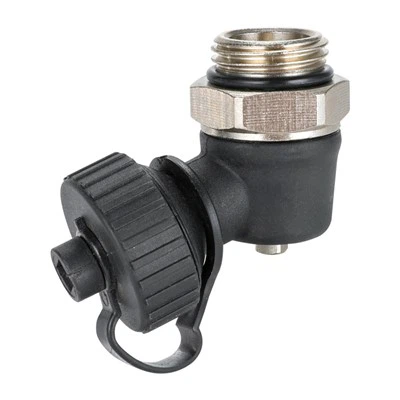
As a seasoned supplier of Brass Drain Valves, I am often asked about the color of a typical brass drain valve. Understanding the color characteristics of these essential components is crucial not only for aesthetic reasons but also for assessing their quality and durability. In this blog, I will delve into the various aspects related to the color of brass drain valves, including the natural color of brass, how it changes over time, and the factors influencing its appearance.
The Natural Color of Brass
Brass is an alloy composed primarily of copper and zinc. The proportion of these two elements can vary, which in turn affects the color of the brass. Generally, a typical brass alloy used in drain valves has a warm, golden-yellow hue. This color is a result of the combination of copper's reddish-brown color and zinc's silver-white color. The natural color of brass gives drain valves an elegant and classic look, making them suitable for a wide range of applications, from residential plumbing to industrial settings.
The exact shade of the golden-yellow color can vary depending on the specific composition of the brass. For instance, brass with a higher copper content will tend to have a more reddish tint, while a higher zinc content will result in a lighter, more silver - tinged yellow color. Most manufacturers aim for a balance in the alloy to achieve a consistent and appealing color that is both attractive and representative of the high - quality material.
Color Changes Over Time
One of the interesting aspects of brass drain valves is that their color is not static. Over time, brass will undergo a natural process of oxidation. When exposed to air, moisture, and other environmental factors, a thin layer of oxide forms on the surface of the brass. This oxidation process initially causes the brass to develop a patina, which can change the color of the drain valve.
At first, the oxidation may cause the brass to darken slightly, taking on a more mellow, antique - like appearance. The patina can range from a light brown to a deep, rich brown color over time. In some cases, if the brass is exposed to certain chemicals or acidic environments, it may develop a greenish patina similar to the one seen on copper statues. This green patina, known as verdigris, is a result of the copper in the brass reacting with oxygen and other elements in the air.
While some people appreciate the antique look that the patina gives to brass drain valves, others prefer to maintain the original golden - yellow color. Regular cleaning and maintenance can help slow down the oxidation process. Using a mild brass cleaner and a soft cloth to wipe the surface of the drain valve can remove the oxide layer and restore its original shine.
Factors Affecting the Color of Brass Drain Valves
Several factors can influence the color of brass drain valves, both during the manufacturing process and in their post - installation lifespan.
Alloy Composition
As mentioned earlier, the ratio of copper to zinc in the brass alloy is a primary determinant of the initial color of the drain valve. Manufacturers carefully control the alloy composition to achieve the desired color and other properties, such as strength and corrosion resistance.
Manufacturing Processes
The manufacturing processes used to produce brass drain valves can also affect their color. For example, the method of casting or machining can introduce impurities or alter the surface finish, which may in turn change the appearance of the brass. Heat treatment processes, such as annealing or tempering, can also have an impact on the color and grain structure of the brass.
Environmental Conditions
The environment in which the brass drain valve is installed plays a significant role in how its color changes over time. In a dry, clean environment, the oxidation process will be much slower compared to a humid or industrial environment. Areas with high levels of pollution, saltwater exposure, or chemical contamination can cause the brass to oxidize more rapidly and may result in a more pronounced color change.
Comparing Brass with Other Materials
When considering drain valves, it's useful to compare brass with other common materials, such as nylon. A Nylon Drain Valve has a very different appearance from a brass one. Nylon drain valves are typically white or black, and they have a plastic - like finish. Unlike brass, nylon does not oxidize or develop a patina over time, so its color remains relatively constant.


However, brass drain valves offer several advantages over nylon valves. Brass is a more durable and heat - resistant material, making it suitable for applications where high temperatures or pressure are involved. It also has better corrosion resistance in many environments, especially compared to some types of nylon. Additionally, the aesthetic appeal of brass gives it an edge in applications where appearance is important, such as in high - end plumbing installations.
Our Brass Drain Valve Offerings
As a supplier of Brass Drain Valves, we take pride in offering high - quality products with a consistent and attractive color. Our manufacturing process is carefully controlled to ensure that each drain valve meets strict quality standards, not only in terms of color but also in terms of performance and durability.
We offer a variety of brass drain valves, each designed to meet different customer needs. Whether you are looking for a valve for a residential plumbing system, an industrial application, or a commercial project, we have the right product for you. Our valves come in different sizes and configurations, and we can also provide customization options to meet specific requirements.
Contact for Procurement
If you are in the market for brass drain valves or have any questions about our products, we encourage you to reach out to our sales team. We are always ready to assist you with your procurement needs, provide detailed product information, and offer competitive pricing. Don't hesitate to contact us to start a discussion about how our brass drain valves can meet your specific requirements.
References
- "The Chemistry of Brass Alloys" - A textbook on metallurgy and alloy composition.
- "Corrosion and Oxidation of Metals in Plumbing Applications" - A research paper on the effects of environmental factors on metal components in plumbing.