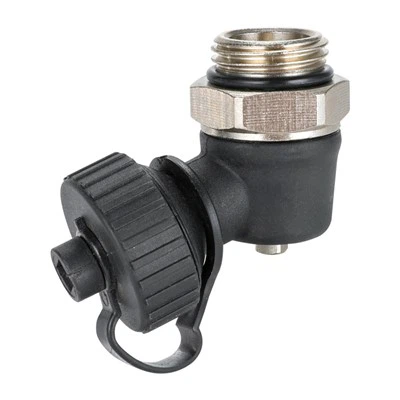
Hey there! As a supplier of Vertical Airvent Valves, I often get asked about what materials are used to make these nifty little devices. Well, buckle up because I'm about to take you on a journey through the world of materials that go into crafting a top - notch Vertical Airvent Valve.
Why Materials Matter
First off, let's talk about why the choice of materials is such a big deal. The materials used in a Vertical Airvent Valve can have a huge impact on its performance, durability, and cost. You want a valve that can stand up to the conditions it'll be exposed to, whether it's high - pressure water systems, corrosive chemicals, or extreme temperatures. And of course, you don't want it to break the bank.
Common Materials for Vertical Airvent Valves
Nylon
Nylon is a popular choice for many Vertical Airvent Valves, and for good reason. It's lightweight, which makes it easy to handle and install. You can check out our Nylon Airvent Valve for more details.
One of the great things about nylon is its chemical resistance. It can withstand a wide range of chemicals without corroding or degrading. This makes it ideal for use in industrial applications where the valve might come into contact with various substances.
Nylon also has good mechanical properties. It's strong enough to handle normal operating pressures, and it has some flexibility, which can help it absorb shocks and vibrations. However, it does have its limitations. Nylon can become brittle at very low temperatures, so it might not be the best choice for extremely cold environments.
Brass
Brass is another material that's commonly used in Vertical Airvent Valves. Our Brass Airvent Valve is a prime example of the quality you can expect from this material.
Brass is known for its excellent corrosion resistance, especially in water systems. It forms a thin oxide layer on its surface, which protects it from further corrosion. This makes it a great choice for applications where the valve will be in constant contact with water, such as in plumbing systems.
In addition to its corrosion resistance, brass is also a very strong and durable material. It can handle high pressures and has a long service life. It's also relatively easy to machine, which means that complex valve designs can be produced with relative ease. However, brass is more expensive than nylon, so cost might be a factor to consider.
Stainless Steel
Stainless steel is a heavy - duty option for Vertical Airvent Valves. It offers superior corrosion resistance compared to brass, especially in harsh environments. Stainless steel can withstand exposure to saltwater, acids, and other corrosive substances without rusting or corroding.
It's also extremely strong and can handle very high pressures. This makes it a great choice for industrial applications where reliability is crucial. However, stainless steel is even more expensive than brass, and it's heavier, which can make installation more challenging.
Plastic (Other than Nylon)
There are other types of plastics that can be used in Vertical Airvent Valves. For example, polypropylene is a lightweight and chemically resistant plastic. It's often used in applications where cost is a major concern, and the valve doesn't need to withstand extremely high pressures.
PVC (polyvinyl chloride) is another plastic that's sometimes used. It's relatively inexpensive and has good chemical resistance, but it's not as strong as some of the other materials we've discussed. It's commonly used in low - pressure water systems.
Material Selection Considerations
When choosing the material for a Vertical Airvent Valve, there are several factors to consider.
Operating Conditions
The first thing to think about is the operating conditions. If the valve will be used in a high - pressure system, you'll need a strong material like brass or stainless steel. If it'll be exposed to corrosive chemicals, materials with good chemical resistance like nylon or stainless steel are a better choice.
Cost
Cost is always a factor. If you're working on a budget, plastics like nylon or polypropylene might be the way to go. However, if you need a valve that will last a long time and can handle tough conditions, investing in a more expensive material like brass or stainless steel might be worth it in the long run.


Installation Requirements
The installation requirements can also influence the material choice. If the valve needs to be lightweight and easy to handle, nylon or plastic might be a good option. On the other hand, if the installation requires a valve that can withstand a lot of stress during installation, a stronger material like brass or stainless steel would be better.
Our Range of Vertical Airvent Valves
At our company, we offer a wide range of Vertical Airvent Valves made from different materials to suit various applications. Whether you need a cost - effective nylon valve for a simple plumbing job or a heavy - duty stainless - steel valve for an industrial application, we've got you covered.
We understand that every customer's needs are different, and that's why we're committed to providing high - quality valves that meet those needs. Our team of experts can help you choose the right material and valve design for your specific application.
Contact Us for Your Vertical Airvent Valve Needs
If you're in the market for a Vertical Airvent Valve, don't hesitate to get in touch with us. We're here to answer any questions you might have and to help you find the perfect valve for your project. Whether you're a contractor, an engineer, or a DIY enthusiast, we've got the knowledge and the products to make your job easier.
So, what are you waiting for? Reach out to us today and let's start talking about your Vertical Airvent Valve requirements. We're confident that we can provide you with a solution that meets your needs and fits your budget.
References
- "Materials Science and Engineering: An Introduction" by William D. Callister Jr. and David G. Rethwisch
- "Handbook of Valves" by Bhishma P. Singh