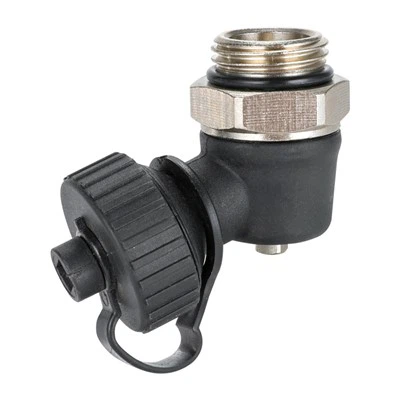
Hey there! As a supplier of Ball Valve Manifolds, I've seen firsthand how crucial chemical compatibility is in chemical plants. In this blog, I'm gonna break down the chemical compatibility requirements for ball valve manifolds in these high - stakes environments.
Understanding Chemical Compatibility
First off, what do we mean by chemical compatibility? Simply put, it's about making sure that the materials used in the ball valve manifold can handle the chemicals they'll come into contact with without breaking down, corroding, or causing any other issues. If a manifold isn't chemically compatible with the chemicals in a plant, it can lead to leaks, equipment failure, and even safety hazards.
Factors Affecting Chemical Compatibility
There are several factors that can influence the chemical compatibility of ball valve manifolds.
Chemical Properties
The nature of the chemicals themselves plays a huge role. For example, strong acids and bases are highly reactive and can eat away at many materials. Oxidizing agents can also cause corrosion by promoting chemical reactions on the surface of the manifold. Some chemicals may be more aggressive at higher temperatures or pressures, so these conditions need to be taken into account as well.
Material Selection
The materials used to make the ball valve manifold are key. Common materials include brass, stainless steel, and various plastics. Each material has its own set of chemical resistance properties.
Brass is a popular choice for many applications. It's relatively inexpensive and has good corrosion resistance against a wide range of chemicals. Our Brass Electroplated Manifold offers enhanced protection through electroplating, which can make it even more resistant to certain chemicals. The Brass - colored Manifold not only looks great but also provides reliable performance in many chemical environments.
Stainless steel is known for its excellent corrosion resistance, especially against acids and oxidizing agents. It can withstand harsh conditions and is often used in more demanding chemical applications.
Plastics, on the other hand, can be very resistant to specific chemicals. For example, PTFE (polytetrafluoroethylene) is highly resistant to a wide variety of chemicals and is often used in seals and gaskets within ball valve manifolds.
Surface Finish
The surface finish of the manifold can also affect chemical compatibility. A smooth surface is less likely to trap chemicals, reducing the risk of corrosion. Rough or porous surfaces can provide sites for chemical reactions to occur, so proper finishing techniques are important.
Chemical Compatibility Requirements in Different Chemical Plant Applications
Acidic Environments
In plants where acids are used, such as in the production of fertilizers or in metal pickling processes, the ball valve manifold needs to be resistant to acid corrosion. Stainless steel is often a good choice for handling strong acids like sulfuric acid or hydrochloric acid. Our Ball Valve Manifold made from high - quality stainless steel can withstand the corrosive effects of these acids, ensuring long - term performance.


Basic Environments
Bases, like sodium hydroxide, can also be corrosive. Brass may be suitable for some mild basic solutions, but for stronger bases, stainless steel or certain plastics may be required. The choice depends on the concentration and temperature of the base solution.
Solvent Environments
Solvents can dissolve or swell certain materials. For example, organic solvents like acetone or toluene can cause problems for some plastics. In solvent - based applications, it's important to select materials that are resistant to the specific solvents being used. Some specialized coatings or linings can also be applied to the manifold to improve its resistance to solvents.
Testing for Chemical Compatibility
Before installing a ball valve manifold in a chemical plant, it's essential to test its chemical compatibility. This can involve exposing samples of the manifold materials to the chemicals in question under simulated operating conditions. The samples are then inspected for signs of corrosion, swelling, or other forms of degradation.
There are also industry standards and guidelines that can be used as a reference. These standards provide information on the chemical resistance of different materials and can help in the selection process.
Importance of Chemical Compatibility in Safety and Efficiency
Ensuring chemical compatibility is not just about preventing equipment failure; it's also about safety. A leaky manifold due to chemical incompatibility can release hazardous chemicals into the environment, endangering workers and causing environmental damage.
In terms of efficiency, a chemically compatible manifold will last longer and require less maintenance. This means less downtime for the plant and lower overall operating costs.
Conclusion
Chemical compatibility is a critical aspect of using ball valve manifolds in chemical plants. By understanding the chemical properties of the substances involved, selecting the right materials, and conducting proper testing, we can ensure that the manifolds perform reliably and safely.
If you're in the market for a ball valve manifold for your chemical plant, we're here to help. We have a wide range of options, including our Brass Electroplated Manifold, Brass - colored Manifold, and Ball Valve Manifold. Contact us to discuss your specific requirements and let's find the perfect solution for your plant.
References
- Chemical Engineering Handbook
- ASTM Standards on Chemical Resistance of Materials