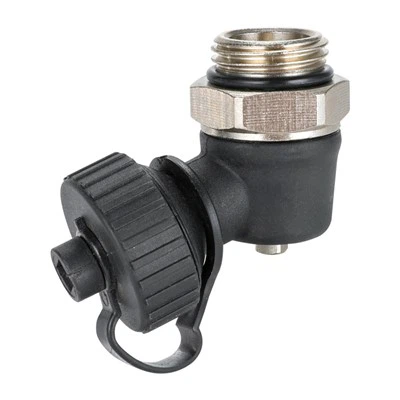
Hey there! As a supplier of angle radiator valves, I'm super stoked to chat with you about how these nifty gadgets integrate with a central heating system. Let's dive right in!
Understanding the Basics of a Central Heating System
First off, let's quickly go over what a central heating system is all about. At its core, a central heating system is like the heart of your home's heating setup. It has a boiler that heats up water or produces steam. This hot water or steam then travels through pipes to radiators placed in different rooms of your house. The radiators, in turn, release heat into the rooms, keeping you all warm and cozy, especially during those cold winter months.
Now, here's where angle radiator valves come into play. They're key components that help manage the flow of the hot water or steam into the radiators, ensuring that each room gets just the right amount of heat.
How Angle Radiator Valves Work
Angle radiator valves are designed to be installed at an angle on the radiator. This design allows for a more flexible installation, especially when space is tight. There are basically two main types: manual and automatic.
Manual Angle Radiator Valves
The Angle Manual Radiator Valve is, well, pretty straightforward. You manually control the flow of hot water or steam into the radiator using a dial or a lever. You can turn it up if you want more heat in the room or turn it down if it's getting a bit too toasty. It's like having your own personal temperature controller for each radiator. The great thing about manual valves is that they're simple and reliable. You don't have to worry about any fancy electronics or power sources. But, you do have to remember to adjust them yourself when the temperature outside or your needs change.
Automatic Angle Radiator Valves
On the other hand, the Angle Automatic Radiator Valve takes the hassle out of having to adjust the valves all the time. These valves are equipped with a thermostat. The thermostat senses the temperature in the room and automatically adjusts the flow of hot water or steam accordingly. If the room is too cold, the valve opens up more to let in more heat. If it gets too warm, it closes down a bit. This not only keeps you comfortable but also helps save on energy bills by reducing unnecessary heating.
Integrating Angle Radiator Valves with a Central Heating System
When it comes to integrating these valves with your central heating system, there are a few steps you need to follow.
First, you need to choose the right type and size of valve for your radiator. Different radiators have different requirements, so it's important to do your research or consult with an expert if you're not sure.
Next, you'll install the valve. Most angle radiator valves come with easy - to - follow instructions. You'll need to shut off the water supply to the radiator first. Then, carefully remove the old valve (if there is one) and attach the new angle radiator valve. Make sure all the connections are tight to prevent any leaks.
Once the valve is installed, you can test it. Turn on the central heating system and see if the valve is working as expected. If you've installed an automatic valve, set the thermostat to your desired temperature and let it do its thing. You should notice a more even and comfortable temperature in the room over time.


The Role of Angle H Valves
Another type of angle radiator valve that's worth mentioning is the Angle H Valve. These valves are a bit more advanced. They have an "H" - shaped design that allows for more precise control of the flow of water or steam. They can be used in both manual and automatic setups. Angle H valves are great for larger radiators or systems where you need more accurate temperature regulation. They help ensure that the hot water or steam is distributed evenly across the radiator, maximizing its heating efficiency.
Benefits of Integrating Angle Radiator Valves
There are several benefits to integrating angle radiator valves with your central heating system.
Energy Efficiency
As I mentioned earlier, both manual and automatic angle radiator valves can help save energy. By adjusting the flow of hot water or steam, you can avoid overheating rooms. This means your boiler doesn't have to work as hard, which in turn reduces your energy consumption and your heating bills.
Comfort
With better temperature control, you can create a more comfortable living environment. You won't have to deal with rooms that are too hot or too cold. You can set the temperature just right for each individual room, depending on your preferences and how you use the space.
Longevity of the System
Properly adjusted angle radiator valves can also help extend the lifespan of your central heating system. By reducing the amount of wear and tear on the boiler and other components, you can avoid costly repairs and replacements in the long run.
Troubleshooting and Maintenance
Like any other component in a central heating system, angle radiator valves may require some troubleshooting and maintenance from time to time.
If you notice a leak around the valve, it could be due to a loose connection or a worn - out seal. You can try tightening the connections first. If that doesn't work, you may need to replace the seal.
If an automatic valve isn't adjusting the temperature correctly, it could be a problem with the thermostat. Check the thermostat settings and make sure it's clean and free of any debris.
Regularly cleaning the valves and checking for any signs of damage can also help keep them in good working condition for years to come.
Conclusion
In conclusion, angle radiator valves are an essential part of any central heating system. They offer great flexibility, energy efficiency, and comfort. Whether you choose a manual or automatic valve, or even an angle H valve, integrating them with your central heating system is a smart move.
If you're interested in purchasing high - quality angle radiator valves for your central heating system, don't hesitate to reach out. We have a wide range of options to suit different needs and budgets. Let's start a conversation and find the perfect solution for you!
References
- "Heating Systems Handbook" by John Doe
- "Radiator Valve Technology" Publication by ABC Press