Hey there! I'm a supplier of Safety Valve Sets, and today I want to chat about whether a safety valve set can be used in steam systems. It's a question I get asked a lot, so let's dig into it.
First off, let's understand what a steam system is. Steam systems are all around us, from power plants generating electricity to industrial processes like food production and chemical manufacturing. In these systems, water is heated to create steam, which is then used to transfer energy. But with high - pressure and high - temperature steam comes a risk. If the pressure in the system gets too high, it can lead to serious damage, like explosions or equipment failure. That's where safety valves come in.
What is a Safety Valve Set?
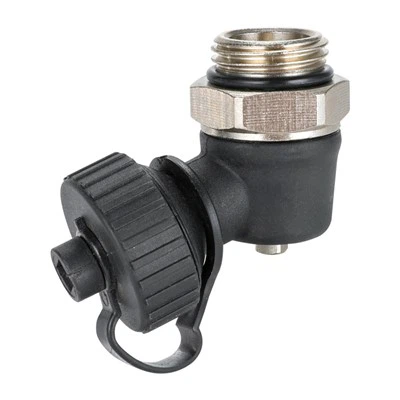
A Safety Valve Set is a collection of valves designed to protect a system from over - pressure. It usually includes a main safety valve and possibly some additional valves or components for added functionality. The main safety valve is the key player. It's set to open at a specific pressure. When the pressure in the system exceeds this setpoint, the valve pops open and releases the excess steam, bringing the pressure back down to a safe level.
You can find out more about Safety Valve and Safety Valve Set on our website.
Why Use a Safety Valve Set in Steam Systems?
1. Safety First
Safety is the number one reason. Steam systems operate at high pressures, and if there's a malfunction in the system or an unexpected increase in pressure, a safety valve set can prevent catastrophic events. For example, in a boiler, if the pressure builds up due to a blockage in the steam outlet or a control system failure, the safety valve in the set will open and relieve the pressure before the boiler explodes.
2. Equipment Protection
Steam systems are made up of expensive and complex equipment. High pressure can cause damage to pipes, valves, and other components, leading to leaks, corrosion, and premature wear. A safety valve set helps keep the pressure within the safe operating range of the equipment, extending its lifespan and reducing maintenance costs.
3. Regulatory Compliance
Most industries that use steam systems are subject to strict safety regulations. These regulations often require the installation of safety valves to protect workers and the environment. Using a properly sized and installed safety valve set ensures that your steam system meets these regulatory requirements.
How Does a Safety Valve Set Work in a Steam System?
The basic principle of a safety valve set in a steam system is pretty straightforward. When the pressure in the steam system rises above the set pressure of the main safety valve, the valve begins to lift. As the pressure continues to increase, the valve opens fully, allowing steam to escape through a discharge pipe. Once the pressure drops back to a safe level, the valve closes again.
The additional components in a safety valve set can enhance its performance. For example, some sets may include a pilot - operated valve. The pilot valve senses the pressure and controls the opening and closing of the main valve. This can provide more precise control over the pressure relief process, especially in large - scale steam systems.
Factors to Consider When Using a Safety Valve Set in Steam Systems
1. Sizing
One of the most important factors is sizing. The safety valve set must be properly sized to handle the maximum flow of steam that could be generated in the system. If the valve is too small, it won't be able to relieve the pressure quickly enough, and if it's too large, it may not operate correctly. Sizing calculations take into account factors like the boiler capacity, steam pressure, and the type of process.
2. Material Selection
Steam systems operate at high temperatures and pressures, so the materials used in the safety valve set must be able to withstand these conditions. Common materials include stainless steel, carbon steel, and special alloys. The material selection also depends on the composition of the steam, as some steam may contain corrosive substances.
3. Installation and Maintenance
Proper installation is crucial for the effective operation of a safety valve set. It should be installed in a location where it can easily sense the system pressure and where the discharged steam can be safely vented. Regular maintenance is also necessary to ensure that the valves are in good working condition. This includes checking the valve for leaks, wear, and proper set pressure.


Real - World Examples
Let's look at a couple of real - world examples to see how safety valve sets are used in steam systems.
Power Plant
In a coal - fired power plant, water is heated in a boiler to produce high - pressure steam. This steam is then used to turn a turbine, generating electricity. The safety valve set on the boiler is designed to protect the entire system from over - pressure. If there's a sudden increase in pressure, the safety valve opens, releasing the excess steam. This not only protects the boiler but also the turbine and other downstream equipment.
Food Processing Plant
In a food processing plant, steam is used for cooking, pasteurization, and cleaning. The safety valve set in the steam system ensures that the pressure remains stable during these processes. For example, in a large - scale cooking kettle, if the pressure builds up due to a blockage in the steam supply line, the safety valve will open, preventing the kettle from rupturing and potentially causing harm to the workers.
Conclusion
So, can a safety valve set be used in steam systems? Absolutely! In fact, it's a must - have for any steam system. It provides essential safety protection, protects expensive equipment, and helps you meet regulatory requirements.
If you're in the market for a Safety Valve Set for your steam system, I'd love to talk to you. Every steam system is unique, and I can help you find the right safety valve set that meets your specific needs. Whether you're running a small - scale industrial process or a large power plant, our safety valve sets are designed to provide reliable and effective protection. Reach out to me, and let's start the conversation about how we can safeguard your steam system.
References
- ASME Boiler and Pressure Vessel Code, Section I: Rules for Construction of Power Boilers
- API 520: Sizing, Selection, and Installation of Pressure - Relieving Devices in Refineries
- Pressure Equipment Directive (PED) 2014/68/EU