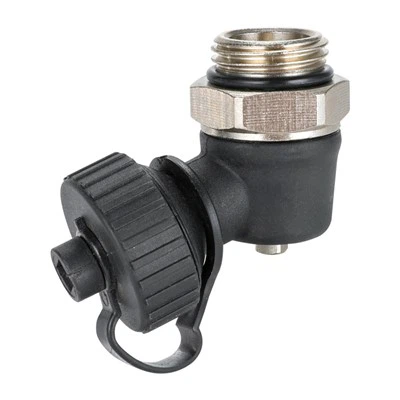
Do brass airvent valves need to be replaced periodically? This is a question that many customers often ask me as a supplier of Brass Airvent Valve. In this blog post, I will delve into this topic and provide you with a comprehensive answer based on scientific knowledge and practical experience.
Understanding Brass Airvent Valves
Before we discuss whether brass airvent valves need to be replaced periodically, it's essential to understand what they are and how they work. Brass airvent valves are crucial components in various fluid systems, such as heating, ventilation, and air - conditioning (HVAC) systems, water supply networks, and industrial pipelines. Their primary function is to release trapped air from the system, which can improve the efficiency of the system, prevent corrosion, and reduce noise.
There are two main types of brass airvent valves: Vertical Airvent Valve and Horizontal Airvent Valve. Vertical airvent valves are typically installed at the highest point of a system to allow air to rise and be expelled. Horizontal airvent valves, on the other hand, are used in horizontal pipelines and are designed to release air as it accumulates.
Factors Affecting the Lifespan of Brass Airvent Valves
Several factors can influence the lifespan of brass airvent valves and determine whether they need to be replaced periodically.
1. Quality of the Valve
The quality of the brass airvent valve is a significant factor. High - quality valves are made from better - grade brass, which is more resistant to corrosion and wear. They also have precise manufacturing processes, ensuring that the internal components work smoothly. Cheaper valves may be more prone to malfunction due to inferior materials and poor workmanship.
2. Operating Conditions
The operating conditions of the system where the airvent valve is installed play a crucial role. If the system operates in a harsh environment, such as high - temperature, high - pressure, or corrosive conditions, the valve may experience more stress and wear. For example, in a chemical processing plant where the fluid contains corrosive substances, the brass valve may corrode more quickly, reducing its lifespan.
3. Frequency of Use
The frequency of use of the airvent valve also matters. If the valve is frequently opened and closed to release air, the internal moving parts will experience more friction and wear. In a system where air accumulates rapidly and needs to be released often, the valve may need to be replaced more frequently.


4. Water Quality
In water - based systems, the quality of the water can affect the valve. Water with high levels of minerals, such as calcium and magnesium, can cause scaling inside the valve. This scaling can block the valve's opening and prevent it from functioning properly. Additionally, water with a high level of dissolved oxygen can accelerate the corrosion of the brass valve.
Signs That a Brass Airvent Valve Needs to be Replaced
Even if you don't follow a strict replacement schedule, you should be aware of the signs that indicate a brass airvent valve needs to be replaced.
1. Leakage
One of the most obvious signs is leakage. If you notice water or fluid leaking from the airvent valve, it means that the valve's seal has been damaged. This could be due to corrosion, wear of the sealing materials, or damage to the valve body. Leakage not only wastes resources but can also cause damage to the surrounding equipment and infrastructure.
2. Inability to Release Air
If the airvent valve fails to release trapped air from the system, it is a clear indication that something is wrong. This could be caused by a blockage inside the valve, such as scaling or debris, or a malfunction of the internal components. When air cannot be released, it can lead to reduced system efficiency, increased energy consumption, and even damage to other components of the system.
3. Excessive Noise
Unusual noise coming from the airvent valve can also be a sign of a problem. This could be due to the valve opening and closing irregularly, or the movement of internal parts that have become loose or damaged. Excessive noise can be a nuisance and may also indicate that the valve is about to fail.
Should Brass Airvent Valves be Replaced Periodically?
Based on the above factors, whether brass airvent valves need to be replaced periodically depends on the specific situation.
In some cases, a periodic replacement schedule can be beneficial. For example, in a large - scale industrial system where the consequences of a valve failure can be severe, such as production downtime or safety hazards, it may be wise to replace the airvent valves at regular intervals. This proactive approach can help prevent unexpected failures and ensure the smooth operation of the system.
However, in other situations, a more reactive approach may be appropriate. For small - scale residential or commercial systems, it may be more cost - effective to monitor the valves for signs of failure and replace them only when necessary. This way, you can avoid unnecessary replacement costs while still ensuring the proper functioning of the system.
Our Role as a Brass Airvent Valve Supplier
As a supplier of Brass Airvent Valve, we are committed to providing high - quality products. Our valves are made from premium - grade brass and are manufactured with strict quality control processes to ensure long - lasting performance.
We also offer professional advice to our customers. We can help you assess the operating conditions of your system and determine the most appropriate replacement strategy for your brass airvent valves. Whether you need a Vertical Airvent Valve or a Horizontal Airvent Valve, we can provide you with the right product and guidance.
Conclusion
In conclusion, the question of whether brass airvent valves need to be replaced periodically does not have a one - size - fits - all answer. It depends on multiple factors, including the quality of the valve, operating conditions, frequency of use, and water quality. By being aware of the signs of valve failure and understanding the factors that affect the valve's lifespan, you can make an informed decision about when to replace the valve.
If you are unsure about the condition of your brass airvent valves or need advice on replacement, please feel free to contact us. We are here to assist you with all your airvent valve needs. Whether you are looking for a new valve or need to replace an existing one, we can provide you with the best solution. Let's work together to ensure the efficient and reliable operation of your fluid systems.
References
- "HVAC Systems Design Handbook"
- "Industrial Pipeline Engineering"
- "Corrosion and Protection of Metals in Water Systems"