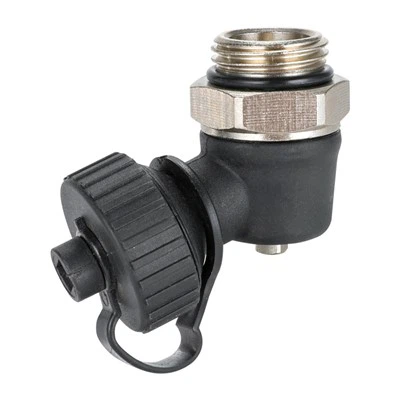
Hey there! I'm a supplier of Nylon Drain Valves, and I often get asked whether nylon drain valves are easy to operate. Well, let's dive right into it and find out.
First off, let's talk about what a drain valve is. A drain valve is a crucial component in many systems, especially those involving liquids or gases. Its main job is to control the flow of fluid out of a container or a pipeline. You'll find drain valves in all sorts of places, from industrial settings like factories and power plants to everyday household appliances like washing machines and water heaters.


Now, when it comes to nylon drain valves, they have a few things going for them in terms of ease of operation. One of the biggest advantages is their lightweight nature. Nylon is a relatively light - weight material compared to some of its counterparts, like brass. This means that when you're installing or operating a nylon drain valve, you don't have to deal with a heavy piece of equipment. It's much easier to handle, especially if you're working in a tight space or if you need to make quick adjustments.
For example, imagine you're a maintenance worker in a small factory. You've got a bunch of drain valves to check and adjust on a regular basis. If you're using Nylon Drain Valve, you can move around with them more easily, and you won't get as tired as you would if you were lugging around heavier brass valves.
Another aspect of ease of operation is the installation process. Nylon drain valves are generally easier to install than some other types. They often come with simple connection mechanisms. Many nylon drain valves can be attached using basic hand tools, like wrenches or screwdrivers. You don't need any specialized equipment or a high - level of technical expertise to get them up and running.
Let's say you're a DIY enthusiast and you want to install a drain valve in your home's water heater. With a nylon drain valve, you can probably figure out the installation process on your own by following the included instructions. It's a lot less intimidating than trying to install a more complex valve made of a different material.
In terms of the actual operation of the valve, nylon drain valves are usually designed with user - friendliness in mind. Most of them have simple on - off mechanisms. You can easily turn the valve handle to open or close the flow of fluid. The handles are often designed to be easy to grip, even if your hands are wet or dirty.
However, it's not all sunshine and rainbows. There are a few factors that might make the operation of nylon drain valves a bit tricky in some situations. One of the main concerns is the durability of nylon. While nylon is a strong material, it may not be as resistant to high - pressure or high - temperature environments as Brass Drain Valve. In a high - pressure industrial pipeline, for example, the nylon valve might experience more wear and tear over time, which could potentially affect its ease of operation.
If the valve starts to degrade due to high pressure or temperature, the handle might become harder to turn, or the valve might not seal properly. This means that you may need to replace the valve more frequently than you would a brass one. But hey, if you're in a low - pressure, low - temperature environment, this isn't really going to be an issue.
Another thing to consider is the chemical compatibility of nylon. Some chemicals can react with nylon, which could cause the valve to become brittle or corroded. If you're using the drain valve in a system where it comes into contact with harsh chemicals, you need to make sure that the nylon is compatible with those substances. Otherwise, the valve's performance and ease of operation could be compromised.
So, are nylon drain valves easy to operate? The answer is, it depends. In most normal, everyday applications, they are incredibly easy to operate. Their lightweight design, simple installation process, and user - friendly operation make them a great choice for many people. But in more extreme conditions, like high - pressure or chemically - aggressive environments, you might run into some challenges.
If you're thinking about using nylon drain valves for your project, I'd recommend carefully assessing your needs. Consider the pressure, temperature, and chemical environment in which the valve will be operating. If it's a relatively mild environment, then nylon drain valves are definitely worth considering.
As a supplier, I'm always here to help you make the right choice. Whether you have questions about the installation, operation, or compatibility of nylon drain valves, feel free to reach out. I can provide you with all the information you need to ensure that you get the best - performing valve for your specific requirements. If you're interested in purchasing nylon drain valves, we can start a discussion about the details and work out a deal that suits you.
References
- General knowledge about drain valves from industry experience.
- Technical specifications of nylon and brass drain valves.