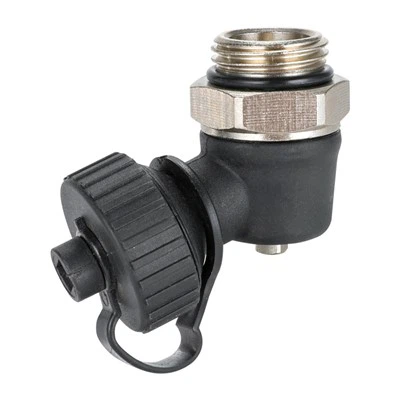
Hey there! As a supplier of Nylon Airvent Valves, I often get asked about the maintenance these valves require. So, I thought I'd put together this blog post to share some insights on keeping your Nylon Airvent Valve in tip - top shape.
First off, let's understand what a Nylon Airvent Valve is and why it's important. A Nylon Airvent Valve, like the ones you can check out here, is used in various systems, such as plumbing and heating systems, to release trapped air. Trapped air in these systems can cause all sorts of problems, like reduced efficiency, noise, and even damage to the equipment. So, a well - maintained airvent valve is crucial for the smooth operation of your system.


Regular Visual Inspections
One of the simplest yet most important maintenance tasks is regular visual inspections. You should take a look at your Nylon Airvent Valve every few months. Check for any signs of physical damage, like cracks or breaks in the nylon body. Nylon is a durable material, but it can still get damaged over time, especially if it's exposed to harsh chemicals or extreme temperatures.
Also, look at the valve's opening and closing mechanism. Make sure it moves freely without any sticking. If you notice any debris or dirt around the valve, it could be affecting its performance. You can use a soft brush to gently clean the area around the valve to keep it clear.
Cleaning
Cleaning is a key part of maintaining your Nylon Airvent Valve. Over time, dirt, dust, and other particles can accumulate inside the valve, which can block the air passage and prevent it from working properly.
To clean the valve, first, turn off the system to which the valve is connected. This is really important for your safety. Then, carefully remove the valve from the system. You can soak the valve in a mild cleaning solution. Avoid using harsh chemicals as they can damage the nylon material. A simple mixture of warm water and a little bit of dish soap usually works well.
After soaking for about 15 - 20 minutes, use a soft brush to gently scrub the inside and outside of the valve. Pay special attention to the small holes and passages where debris can get trapped. Rinse the valve thoroughly with clean water and let it dry completely before reinstalling it.
Checking the Seals
The seals in a Nylon Airvent Valve are essential for preventing leaks. Over time, the seals can wear out or become damaged. You should check the seals regularly to make sure they are in good condition.
If you notice any signs of leakage around the valve, it's likely that the seals need to be replaced. Replacing the seals is usually a straightforward process. You can find replacement seals at most hardware stores or order them from the valve manufacturer.
When installing the new seals, make sure they are properly seated and that there are no gaps. A good seal will ensure that the valve works efficiently and that there are no unwanted air or fluid leaks.
Comparing with Other Types of Airvent Valves
It's interesting to compare the maintenance of Nylon Airvent Valves with other types, like Brass Airvent Valves. Brass valves are more resistant to high - pressure and high - temperature environments, but they are also more prone to corrosion. So, while brass valves might require more attention in terms of preventing rust and corrosion, Nylon Airvent Valves need to be protected from physical damage and chemical exposure.
Another type is the Vertical Airvent Valve. The overall maintenance principles are similar, but the vertical design might require a bit more care when it comes to ensuring proper drainage and preventing water from pooling inside the valve.
Temperature and Pressure Considerations
Nylon Airvent Valves have certain temperature and pressure limits. It's important to operate the valve within these limits to avoid damage. If the system operates at temperatures or pressures higher than the valve's rating, it can cause the nylon to deform or the valve to malfunction.
Check the manufacturer's specifications for the temperature and pressure limits of your Nylon Airvent Valve. If your system's conditions are close to or exceed these limits, you might need to consider upgrading to a more suitable valve or taking additional measures to regulate the temperature and pressure.
Lubrication
In some cases, lubrication can help keep the valve's moving parts working smoothly. However, you need to be careful when choosing a lubricant. Use a lubricant that is compatible with nylon. Silicone - based lubricants are often a good choice as they are gentle on nylon and provide good lubrication.
Apply a small amount of lubricant to the moving parts of the valve, but don't overdo it. Too much lubricant can attract dirt and debris, which can cause more problems in the long run.
Storage
If you have spare Nylon Airvent Valves or if you need to store a valve for a while, proper storage is important. Store the valves in a cool, dry place away from direct sunlight and extreme temperatures. You can also keep them in a protective case to prevent physical damage.
Troubleshooting
Even with regular maintenance, you might encounter some issues with your Nylon Airvent Valve. If the valve is not releasing air properly, first check for any blockages or debris. If cleaning doesn't solve the problem, it could be an issue with the valve's internal mechanism.
If the valve is leaking, as mentioned earlier, check the seals. If the seals are fine but the valve is still leaking, it might be time to replace the entire valve.
Conclusion
Maintaining a Nylon Airvent Valve is not overly complicated, but it does require some regular attention. By following these maintenance steps, you can ensure that your valve works efficiently and lasts a long time.
If you're in the market for a Nylon Airvent Valve or have any questions about their maintenance, don't hesitate to reach out. We're here to help you make the right choice and keep your systems running smoothly. Whether you're a DIY enthusiast or a professional in the plumbing or heating industry, we've got the knowledge and products to meet your needs.
References
- General knowledge about airvent valves from years of experience in the industry.
- Manufacturer's guidelines for Nylon Airvent Valves.