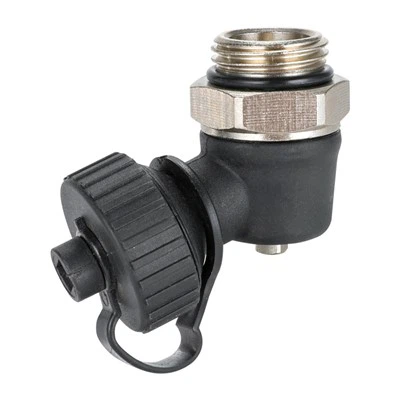
As a trusted supplier of Angle H Valves, I've witnessed firsthand the growing demand for these valves in various industries. The flow stability of the Angle H Valve is a topic that often comes up in discussions with our customers. In this blog, I'll delve into what flow stability means for the Angle H Valve, its importance, and how it compares to other types of valves.
Understanding Flow Stability
Flow stability refers to the ability of a valve to maintain a consistent flow rate under varying conditions. In the context of the Angle H Valve, this means ensuring that the flow of fluid (such as water, steam, or gas) through the valve remains steady despite changes in pressure, temperature, or other external factors. A valve with good flow stability is crucial for many applications, as it helps to prevent fluctuations in the system that could lead to inefficiencies, malfunctions, or even safety hazards.
Factors Affecting Flow Stability in Angle H Valves
Several factors can influence the flow stability of an Angle H Valve. One of the primary factors is the design of the valve itself. The Angle H Valve is designed with a unique shape that allows for smooth and efficient flow. The "H" shape of the valve body helps to minimize turbulence and pressure drops, which can contribute to better flow stability.
Another important factor is the quality of the materials used in the valve's construction. High-quality materials, such as brass or stainless steel, are more resistant to corrosion and wear, which can help to maintain the valve's performance over time. Additionally, the precision of the manufacturing process can also affect flow stability. Valves that are manufactured with tight tolerances and high-quality components are more likely to provide consistent flow.
The type of actuator used with the Angle H Valve can also impact flow stability. Actuators are devices that control the opening and closing of the valve. Electric, pneumatic, or hydraulic actuators can be used depending on the application. A well-designed actuator can ensure that the valve opens and closes smoothly and precisely, which is essential for maintaining flow stability.
Importance of Flow Stability in Different Applications
The flow stability of the Angle H Valve is particularly important in several applications. In heating and cooling systems, for example, a stable flow of water or refrigerant is necessary to ensure efficient heat transfer. If the flow rate fluctuates, it can lead to uneven heating or cooling, which can result in discomfort for occupants and increased energy consumption.
In industrial processes, such as chemical manufacturing or food processing, flow stability is crucial for maintaining product quality and consistency. Precise control of the flow of raw materials and chemicals is necessary to ensure that the manufacturing process runs smoothly and that the final products meet the required specifications.
In water treatment plants, the Angle H Valve's flow stability helps to ensure the proper distribution of water and chemicals. A stable flow is essential for effective filtration, disinfection, and other treatment processes.
Comparing Angle H Valves with Other Types of Valves
When compared to other types of valves, such as ball valves or gate valves, the Angle H Valve offers several advantages in terms of flow stability. Ball valves, for example, are known for their quick opening and closing action, but they can be prone to cavitation and turbulence, which can affect flow stability. Gate valves, on the other hand, are often used for on/off applications and may not provide the same level of precise flow control as the Angle H Valve.
The Angle H Valve's unique design allows for better flow regulation and stability, especially in applications where a constant flow rate is required. Its ability to minimize pressure drops and turbulence makes it a preferred choice for many industries.
Our Angle H Valve Products
At our company, we offer a wide range of Angle H Valves to meet the diverse needs of our customers. Our valves are available in different sizes, materials, and configurations to suit various applications. We also offer both Angle Manual Radiator Valves and Angle Automatic Radiator Valves, which provide different levels of control and automation.
Our Angle H Valves are manufactured using the latest technology and highest quality standards. We conduct rigorous testing on all our products to ensure that they meet or exceed industry requirements for flow stability and performance. Whether you need a valve for a small residential heating system or a large industrial process, we have the right solution for you.


Contact Us for Procurement and Consultation
If you're interested in learning more about the flow stability of our Angle H Valves or would like to discuss your specific requirements, we encourage you to contact us. Our team of experts is available to provide you with detailed information, technical support, and assistance in selecting the right valve for your application. We can also offer competitive pricing and flexible delivery options to meet your needs.
Don't hesitate to reach out to us for procurement and consultation. We look forward to working with you to ensure the success of your projects.
References
- "Valve Handbook" by Robert W. Miller
- "Fluid Mechanics" by Frank M. White
- Industry standards and guidelines related to valve performance and flow control.