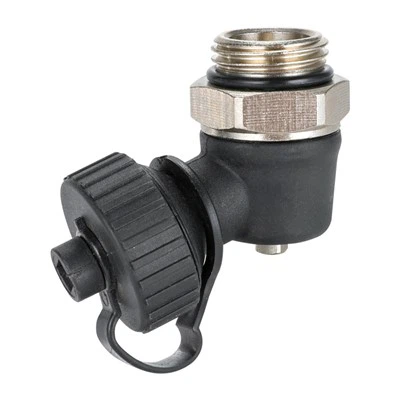
Hey there, car enthusiasts! As a filter supplier, I've seen firsthand how crucial particulate filters are for vehicles. So, what exactly is a particulate filter in a car? Let's dive right in and find out.
What's a Particulate Filter?
A particulate filter, often referred to as a diesel particulate filter (DPF) in diesel engines or a gasoline particulate filter (GPF) in gasoline engines, is a device designed to trap and remove harmful particulate matter (PM) from the exhaust gases of a car. These particulates are tiny solid or liquid particles that are produced during the combustion process in the engine. They can include things like soot, ash, and other pollutants.
How Does It Work?
The basic principle behind a particulate filter is pretty simple. As the exhaust gases flow through the filter, the particulates get trapped in the filter's porous structure. The filter is made up of a honeycomb-like structure with tiny channels that allow the gases to pass through while capturing the larger particles.
Over time, as more and more particulates are trapped, the filter can become clogged. This is where the regeneration process comes in. There are two main types of regeneration: passive and active.
Passive regeneration occurs naturally when the exhaust gases are hot enough to burn off the trapped particulates. This usually happens during normal driving conditions, especially on long highway trips. Active regeneration, on the other hand, is a process that is initiated by the car's engine control unit (ECU) when the filter reaches a certain level of clogging. The ECU will adjust the engine's operating parameters to increase the exhaust gas temperature and burn off the trapped particulates.
Why Are Particulate Filters Important?
Particulate filters play a crucial role in reducing the environmental impact of cars. The particulate matter emitted by vehicles can have serious health effects, especially on people with respiratory problems. By trapping these particulates, particulate filters help to reduce air pollution and improve air quality.
In addition to environmental benefits, particulate filters also have some performance benefits. A clogged particulate filter can restrict the flow of exhaust gases, which can lead to reduced engine power, increased fuel consumption, and even engine damage. By keeping the filter clean and functioning properly, you can ensure that your car runs smoothly and efficiently.
Types of Particulate Filters
There are several different types of particulate filters available on the market, each with its own advantages and disadvantages. Some of the most common types include:
- Ceramic Filters: These are the most widely used type of particulate filter. They are made from a ceramic material that is highly porous and can trap a large amount of particulate matter. Ceramic filters are also very durable and can withstand high temperatures.
- Metallic Filters: Metallic filters are made from a metal alloy and are known for their high strength and durability. They are also less likely to crack or break compared to ceramic filters. However, metallic filters are generally more expensive than ceramic filters.
- Wall-Flow Filters: Wall-flow filters are a type of ceramic filter that have a unique design. They have a series of channels that are blocked at one end, forcing the exhaust gases to flow through the porous walls of the channels. This design allows for a high level of particulate matter trapping efficiency.
- Sintered Metal Filters: Sintered metal filters are made from a porous metal material that is formed by sintering metal powder together. They are known for their high filtration efficiency and durability. Sintered metal filters are also resistant to corrosion and can be used in a wide range of applications.
Maintenance and Replacement
Proper maintenance of your car's particulate filter is essential to ensure its long-term performance and reliability. Here are some tips to help you keep your particulate filter in good condition:
- Follow the Manufacturer's Recommendations: The manufacturer of your car will provide specific guidelines on how to maintain and replace the particulate filter. Make sure to follow these recommendations carefully.
- Use High-Quality Fuel: Using high-quality fuel can help to reduce the amount of particulate matter produced by your engine. This can help to extend the life of your particulate filter.
- Avoid Short Trips: Short trips can prevent the particulate filter from reaching the high temperatures needed for passive regeneration. Try to take longer trips whenever possible to allow the filter to regenerate naturally.
- Have Your Car Serviced Regularly: Regular servicing of your car can help to identify and address any issues with the particulate filter before they become serious. Make sure to have your car serviced by a qualified mechanic.
If your particulate filter becomes clogged or damaged, it may need to be replaced. The cost of replacing a particulate filter can vary depending on the make and model of your car, as well as the type of filter used. It's important to choose a high-quality replacement filter to ensure the best performance and reliability.
Our Filter Products
As a filter supplier, we offer a wide range of high-quality particulate filters for cars. Our filters are designed to meet or exceed the original equipment manufacturer (OEM) specifications and are made from the highest quality materials. We also offer a variety of other filter products, including Central Water Purification Filter and Pre-filter, to meet all of your filtration needs.


If you're in the market for a new particulate filter or any other filter products, we'd love to hear from you. Our team of experts is available to answer any questions you may have and help you find the right filter for your car. Contact us today to start the procurement negotiation process and take the first step towards a cleaner, more efficient vehicle.
References
- "Diesel Particulate Filters: How They Work and Why They're Important." Car and Driver, https://www.caranddriver.com/research/a25432476/diesel-particulate-filters/.
- "Gasoline Particulate Filters: A Solution for Cleaner Air." EPA, https://www.epa.gov/regulations-emissions-vehicles-and-engines/gasoline-particulate-filters-solution-cleaner-air.
- "Particulate Matter (PM) Basics." EPA, https://www.epa.gov/pm-pollution/particulate-matter-pm-basics.