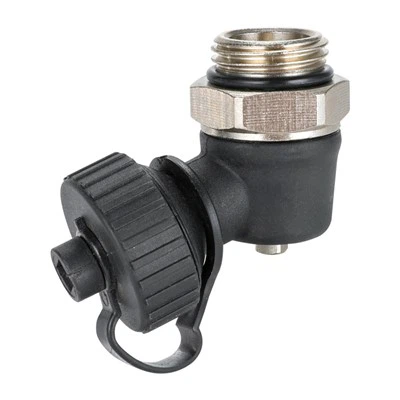
As a reputable drain valve supplier, I understand the importance of maintaining the proper functionality of drain valves. One crucial aspect of this maintenance is choosing the right cleaning agents. In this blog, I will explore various cleaning agents that can be used for drain valves, considering different types of drain valves and the contaminants they may encounter.
Understanding Drain Valves and Their Cleaning Needs
Before delving into the cleaning agents, it's essential to understand the different types of drain valves and their common issues. Drain valves are used to remove water, condensate, or other fluids from a system. They can be made from various materials, including nylon and brass.
Nylon Drain Valve is lightweight, corrosion-resistant, and suitable for many general applications. However, nylon can be sensitive to certain chemicals. On the other hand, Brass Drain Valve is more durable and can withstand higher pressures and temperatures. It is commonly used in industrial and commercial settings.
Over time, drain valves can accumulate dirt, debris, scale, and even rust, depending on the fluid they handle and the environment they are in. These contaminants can cause blockages, reduce the valve's efficiency, and even lead to leaks. Therefore, regular cleaning is necessary to ensure the proper functioning of the drain valve.
Types of Cleaning Agents
1. Water
Water is the most basic and commonly used cleaning agent. It is effective in removing loose dirt, dust, and some water-soluble contaminants from the drain valve. For light cleaning, simply flushing the valve with clean water can be sufficient. This can be done by opening the valve and allowing a steady stream of water to flow through it for a few minutes.


However, water alone may not be enough to remove stubborn scale or grease. In such cases, it can be used in combination with other cleaning agents.
2. Vinegar
Vinegar is a natural and eco-friendly cleaning agent that is effective in removing scale and mineral deposits. It contains acetic acid, which can dissolve calcium and magnesium deposits commonly found in hard water areas.
To use vinegar for cleaning a drain valve, mix equal parts of white vinegar and water in a container. Submerge the valve in the solution or use a brush to apply the solution directly to the valve. Let it soak for a few hours or overnight, depending on the severity of the scale. Then, rinse the valve thoroughly with water.
Vinegar is safe to use on both nylon and brass drain valves, but it may leave a slight odor. To remove the odor, you can rinse the valve with water containing a small amount of baking soda.
3. Baking Soda
Baking soda is another natural cleaning agent that is gentle yet effective. It can neutralize acids, remove odors, and help break down grease and dirt.
To clean a drain valve with baking soda, make a paste by mixing baking soda with a small amount of water. Apply the paste to the valve using a brush or a cloth. Scrub the valve gently to remove the contaminants. Then, rinse the valve thoroughly with water.
Baking soda is safe to use on all types of drain valves and can be used in combination with vinegar for more effective cleaning. First, pour a cup of baking soda down the drain valve, followed by a cup of vinegar. The mixture will fizz and help loosen the dirt and debris. Let it sit for a few minutes before flushing the valve with water.
4. Commercial Drain Cleaners
There are many commercial drain cleaners available on the market. These cleaners are specifically formulated to remove tough blockages and clean drain pipes and valves.
When choosing a commercial drain cleaner, it is important to select one that is suitable for the type of drain valve you have. Some drain cleaners contain harsh chemicals that can damage nylon or brass. Look for cleaners that are labeled as safe for use on your specific valve material.
Before using a commercial drain cleaner, read the instructions carefully and follow the safety precautions. Wear gloves and eye protection to avoid contact with the chemicals. Pour the recommended amount of cleaner into the drain valve and let it sit for the specified time. Then, flush the valve thoroughly with water.
5. Citric Acid
Citric acid is a natural acid found in citrus fruits. It is effective in removing scale, rust, and mineral deposits. It is also less corrosive than some other acids, making it a safer option for cleaning drain valves.
To use citric acid for cleaning, dissolve a few tablespoons of citric acid in warm water. Submerge the valve in the solution or apply it to the valve using a brush. Let it soak for a few hours or overnight. Then, rinse the valve thoroughly with water.
Citric acid is safe to use on both nylon and brass drain valves and can be a good alternative to commercial drain cleaners.
Cleaning Procedures
The cleaning procedure may vary depending on the type of drain valve and the cleaning agent used. Here is a general guide:
- Turn off the system: Before cleaning the drain valve, make sure to turn off the system to prevent any fluid from flowing through the valve.
- Disassemble the valve (if possible): If the drain valve can be disassembled, carefully take it apart. This will allow you to clean all the components thoroughly.
- Apply the cleaning agent: Depending on the cleaning agent, you can submerge the valve in the solution, apply it with a brush, or pour it directly into the valve.
- Let it soak: Allow the cleaning agent to work for the recommended time. This will help loosen the dirt and contaminants.
- Scrub the valve: Use a brush or a cloth to scrub the valve gently. Pay attention to the areas with stubborn dirt or scale.
- Rinse the valve: After scrubbing, rinse the valve thoroughly with clean water to remove all the cleaning agent and loosened dirt.
- Reassemble the valve: Once the valve is clean and dry, reassemble it carefully.
- Test the valve: Turn on the system and check the valve for proper functioning. Make sure there are no leaks.
Precautions
- Read the instructions: Always read the instructions on the cleaning agent carefully before use. Follow the recommended dosage and safety precautions.
- Wear protective gear: When using harsh chemicals, wear gloves, eye protection, and a mask to avoid contact with the chemicals.
- Test on a small area: If you are using a new cleaning agent, test it on a small, inconspicuous area of the valve first to make sure it does not cause any damage.
- Dispose of the cleaning agent properly: Follow the local regulations for disposing of the used cleaning agent. Do not pour it down the drain if it contains harmful chemicals.
Conclusion
Choosing the right cleaning agent for your drain valve is crucial to ensure its proper functioning and longevity. Water, vinegar, baking soda, commercial drain cleaners, and citric acid are all effective cleaning agents, each with its own advantages and limitations.
As a drain valve supplier, I recommend regular maintenance and cleaning of your drain valves to prevent blockages and ensure their efficient operation. If you have any questions or need further advice on choosing the right cleaning agent for your drain valve, feel free to contact us. We are here to help you make the best decision for your specific needs. Whether you are looking for a Nylon Drain Valve or a Brass Drain Valve, we have a wide range of high-quality products to meet your requirements. Contact us today to discuss your procurement needs and let's work together to keep your systems running smoothly.
References
- "Cleaning and Maintenance of Plumbing Fixtures" - Plumbing Handbook
- "Chemical Cleaning Agents: Properties and Applications" - Chemical Engineering Journal