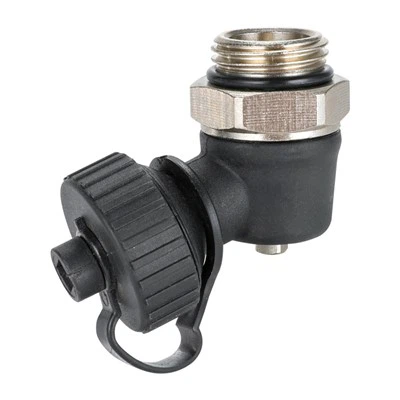
As a seasoned supplier of drain valves, I've encountered numerous clients troubled by the noise issues associated with these essential components. In this blog, I'll share some practical strategies to help you reduce the noise of a drain valve, ensuring a quieter and more efficient operation.
Understanding the Causes of Drain Valve Noise
Before we delve into the solutions, it's crucial to understand what causes the noise in the first place. Several factors can contribute to drain valve noise, including:
- Water Hammer: This occurs when the flow of water is suddenly stopped or changed, causing a shockwave that reverberates through the pipes. The rapid closing of a drain valve can create a water hammer effect, resulting in a loud banging or thumping noise.
- Vibration: The vibration of the drain valve itself or the pipes connected to it can generate noise. This can be caused by loose fittings, improper installation, or the high - pressure flow of water through the valve.
- Cavitation: Cavitation happens when the pressure of the water drops below its vapor pressure, forming vapor bubbles. When these bubbles collapse, they produce a loud, crackling noise. It often occurs in valves where there is a significant pressure drop.
- Worn - Out Components: Over time, the internal components of a drain valve, such as the seat, disc, or seals, can wear out. This can lead to improper sealing and increased noise as water leaks or flows unevenly through the valve.
Strategies to Reduce Drain Valve Noise
1. Install a Water Hammer Arrestor
A water hammer arrestor is a simple yet effective device that can help mitigate the effects of water hammer. It consists of a sealed chamber with a cushion of air or a spring - loaded piston. When the water flow is suddenly stopped, the arrestor absorbs the shockwave, preventing it from traveling through the pipes and causing noise.
When installing a water hammer arrestor, make sure to place it as close to the drain valve as possible. This will ensure that it can effectively dampen the shockwave generated by the valve's operation. There are different types of water hammer arrestors available, including in - line and tee - type models. Choose the one that is most suitable for your specific application.


2. Secure Loose Fittings and Pipes
Loose fittings and pipes can vibrate and create noise. Check all the connections around the drain valve, including the valve body, pipes, and joints. Tighten any loose nuts, bolts, or couplings using the appropriate tools.
If you notice any pipes that are not properly supported, install pipe hangers or brackets to secure them. This will help reduce the movement of the pipes and minimize vibration. Additionally, consider using rubber or foam insulation around the pipes to further dampen vibration and reduce noise transmission.
3. Select the Right Valve Material
The material of the drain valve can also have an impact on noise levels. For example, Brass Drain Valve is a popular choice due to its durability and corrosion resistance. Brass valves are generally quieter than some other materials because they have better damping properties.
On the other hand, Nylon Drain Valve is lightweight and less expensive. While it may not have the same noise - dampening capabilities as brass, it can still be a suitable option for low - pressure applications where noise is not a major concern.
When choosing a drain valve, consider the specific requirements of your system, including the pressure, temperature, and flow rate. Select a valve material that is appropriate for these conditions and has good noise - reduction characteristics.
4. Adjust the Valve Operation
In some cases, the noise may be caused by the way the drain valve is being operated. If the valve is being opened or closed too quickly, it can create a more significant water hammer effect. Try adjusting the valve operation to a slower, more gradual pace.
Some drain valves come with adjustable stems or actuators that allow you to control the opening and closing speed. If your valve has this feature, experiment with different settings to find the optimal speed that minimizes noise.
5. Replace Worn - Out Components
As mentioned earlier, worn - out components can contribute to increased noise. Regularly inspect the drain valve for signs of wear, such as leaks, corrosion, or damage to the internal parts. If you notice any issues, replace the worn - out components as soon as possible.
Most drain valves have replaceable parts, such as seats, discs, and seals. Make sure to use high - quality replacement parts that are compatible with your valve model. This will ensure proper sealing and reduce the likelihood of noise caused by water leakage or uneven flow.
Maintenance and Regular Checks
To keep your drain valve operating quietly and efficiently, it's important to perform regular maintenance and checks. Here are some tips:
- Clean the Valve Regularly: Over time, dirt, debris, and sediment can accumulate inside the drain valve. This can affect its performance and increase noise. Use a mild detergent and a soft brush to clean the valve body and internal components. Rinse thoroughly with water and dry before reinstalling the valve.
- Lubricate Moving Parts: If your drain valve has moving parts, such as a stem or a ball, lubricate them periodically. This will help reduce friction and ensure smooth operation, which can in turn reduce noise. Use a lubricant that is compatible with the valve material and the type of fluid flowing through the valve.
- Conduct Periodic Inspections: Schedule regular inspections of the drain valve and the surrounding pipes. Look for any signs of wear, damage, or leaks. Address any issues promptly to prevent further noise and potential damage to the system.
Conclusion
Reducing the noise of a drain valve is essential for creating a more comfortable and efficient environment. By understanding the causes of drain valve noise and implementing the strategies outlined in this blog, you can effectively minimize the noise and improve the performance of your drain valve.
As a drain valve supplier, I am committed to providing high - quality products and solutions to meet your needs. If you have any questions or need further assistance with reducing drain valve noise or selecting the right drain valve for your application, please don't hesitate to contact me. I look forward to discussing your requirements and helping you find the best solutions.
References
- "Plumbing Engineering: Design and Installations" by W. C. Coad
- "Valve Handbook" by Robert W. Saunders