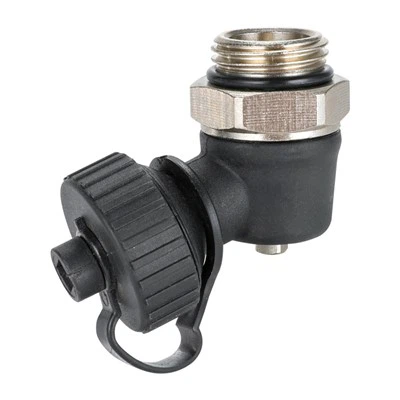
Can pre - filters prevent clogs?
As a supplier of pre - filters, I am often asked whether pre - filters can effectively prevent clogs. In this blog, I will delve into the science behind pre - filters and their role in preventing clogs, drawing on both industry knowledge and real - world experiences.
First, let's understand what pre - filters are. A Pre - filter is an initial filtration device that is installed before the main filtration system. Its primary function is to capture larger particles and debris in the fluid (usually water or air) before they reach the main filter. This can significantly extend the lifespan of the main filter and improve the overall efficiency of the filtration process.


When it comes to preventing clogs, pre - filters play a crucial role. In a water filtration system, for example, water often contains various impurities such as sand, silt, rust, and organic matter. If these large particles were to enter the main Central Water Purification Filter directly, they would quickly accumulate and cause the main filter to clog. A pre - filter acts as a barrier, removing these large particles and allowing only relatively clean water to pass through to the main filter.
The mechanism by which pre - filters prevent clogs is based on the principle of size exclusion. Pre - filters are designed with a specific pore size that allows smaller particles to pass through while capturing larger ones. For instance, a common pre - filter for water may have a pore size of 5 - 20 microns. This means that particles larger than this size will be trapped on the surface of the pre - filter, preventing them from reaching the main filter.
In addition to size exclusion, pre - filters can also capture particles through adsorption. Some pre - filters are made of materials that have a high affinity for certain types of particles. For example, activated carbon pre - filters can adsorb organic compounds, chlorine, and some heavy metals. By removing these contaminants, the pre - filter not only helps prevent clogs but also improves the quality of the filtered fluid.
Real - world applications demonstrate the effectiveness of pre - filters in preventing clogs. In industrial settings, where large volumes of water or air are filtered, pre - filters are essential components of the filtration system. For example, in a power plant, pre - filters are used to remove debris from the cooling water before it enters the main heat exchanger. Without pre - filters, the heat exchanger would quickly become clogged, reducing its efficiency and potentially causing costly downtime.
In residential water filtration systems, pre - filters are also widely used. They can be installed at the point of entry to the house to protect the entire plumbing system and the main water purification filter. By removing sediment and other large particles, pre - filters can prevent clogs in faucets, showerheads, and other plumbing fixtures. This not only extends the lifespan of these fixtures but also ensures a consistent flow of clean water throughout the house.
However, it's important to note that pre - filters are not a magic solution that can completely eliminate the risk of clogs. Over time, the pre - filter itself will become clogged with captured particles. When this happens, the flow rate of the fluid through the pre - filter will decrease, and the pressure drop across the filter will increase. Therefore, regular maintenance of the pre - filter is essential. This includes periodic replacement or cleaning of the pre - filter, depending on the type of pre - filter and the level of contamination in the fluid.
To determine the appropriate pre - filter for a specific application, several factors need to be considered. These include the type and size of the particles to be removed, the flow rate of the fluid, and the operating conditions. For example, in a high - flow water filtration system, a pre - filter with a large surface area and a high dirt - holding capacity may be required. In a system where the fluid contains a high concentration of oil or grease, a pre - filter with oil - absorbing properties may be more suitable.
In conclusion, pre - filters are an effective tool for preventing clogs in filtration systems. By capturing large particles and contaminants before they reach the main filter, pre - filters can extend the lifespan of the main filter, improve the efficiency of the filtration process, and reduce the risk of costly downtime. However, regular maintenance of the pre - filter is necessary to ensure its continued effectiveness.
If you are interested in learning more about pre - filters or are looking for a reliable pre - filter supplier for your specific application, I encourage you to contact us for a consultation. Our team of experts can help you select the right pre - filter and provide you with all the information you need to ensure a successful filtration system. We are committed to providing high - quality pre - filters and excellent customer service. Let's work together to keep your filtration systems running smoothly and clog - free.
References
- "Filtration Handbook", Third Edition, by Peter A. Schweitzer
- "Water Treatment Principles and Design", Second Edition, by David W. Okun, et al.
- Industry reports and technical papers on pre - filter technology and applications.