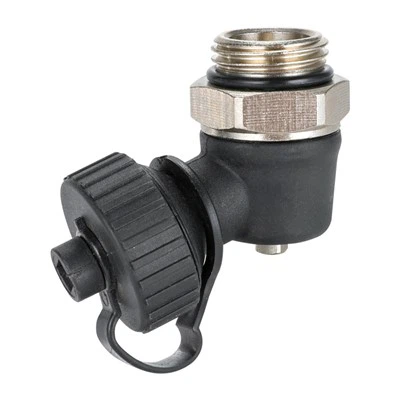
When it comes to refrigeration systems, the choice of components is crucial for ensuring optimal performance, efficiency, and longevity. One such component that often sparks debate is the drain valve. Traditionally, brass drain valves have been the go - to option, but in recent years, nylon drain valves have emerged as a viable alternative. As a nylon drain valve supplier, I am often asked, "Can I use a nylon drain valve in a refrigeration system?" In this blog post, I'll explore the answer to this question in detail.
Understanding the Role of Drain Valves in Refrigeration Systems
Before delving into the suitability of nylon drain valves, it's important to understand the function of drain valves in refrigeration systems. Drain valves are used to remove condensate, which is the water that forms when warm, moist air comes into contact with cold surfaces within the refrigeration unit. If this condensate is not properly drained, it can lead to a variety of problems, including mold growth, corrosion of internal components, and reduced efficiency of the system.
Advantages of Nylon Drain Valves
1. Corrosion Resistance
One of the most significant advantages of nylon drain valves is their excellent corrosion resistance. Unlike brass drain valves, which can corrode over time when exposed to moisture and certain chemicals present in the condensate, nylon is highly resistant to corrosion. This makes nylon drain valves a great choice for refrigeration systems that are used in environments with high humidity or where the condensate may contain corrosive substances. For example, in food processing facilities where refrigeration systems are often exposed to cleaning agents and other chemicals, a nylon drain valve can offer long - term reliability.
2. Lightweight and Easy to Install
Nylon is a lightweight material compared to brass. This makes nylon drain valves easier to handle during installation, reducing the physical strain on technicians. Additionally, the lightweight nature of nylon drain valves can also be beneficial in applications where weight is a concern, such as in mobile refrigeration units. The ease of installation can also lead to cost savings, as less time is spent on the installation process.
3. Cost - Effective
Nylon drain valves are generally more cost - effective than their brass counterparts. The raw material cost of nylon is lower than that of brass, and the manufacturing process for nylon drain valves can also be less expensive. This cost advantage can be passed on to customers, making nylon drain valves an attractive option for budget - conscious buyers. For small - scale refrigeration system operators or those looking to upgrade multiple systems, the cost savings can be quite significant.
4. Electrical Insulation
Nylon is an electrical insulator. In refrigeration systems, this can be an important safety feature. It helps prevent electrical shorts and reduces the risk of electrical hazards, especially in systems where there is a possibility of water coming into contact with electrical components. This is particularly relevant in modern refrigeration systems that are increasingly automated and rely on complex electrical controls.
Limitations of Nylon Drain Valves
1. Temperature Resistance
One of the main limitations of nylon drain valves is their relatively lower temperature resistance compared to brass drain valves. Nylon can start to deform or lose its structural integrity at high temperatures. In refrigeration systems, this may not be a major issue in most cases, as the operating temperatures are typically within the acceptable range for nylon. However, in applications where the refrigeration system may experience occasional high - temperature spikes, such as in industrial refrigeration systems with rapid defrost cycles, a brass drain valve might be a more suitable choice.


2. Pressure Resistance
Nylon drain valves generally have lower pressure - bearing capabilities than brass drain valves. In high - pressure refrigeration systems, there is a risk that the nylon drain valve may not be able to withstand the pressure, leading to leaks or even valve failure. Therefore, it's important to carefully assess the operating pressure of the refrigeration system before choosing a nylon drain valve. If the system operates at high pressures, it is advisable to consider a Brass Drain Valve.
3. Chemical Compatibility
While nylon is resistant to many chemicals, there are some substances that can cause it to degrade. Certain solvents, strong acids, and alkalis can react with nylon, leading to a reduction in its mechanical properties. In refrigeration systems where the condensate may contain such chemicals, it's essential to ensure that the nylon drain valve is chemically compatible with the substances it will come into contact with.
Compatibility with Different Types of Refrigeration Systems
1. Domestic Refrigeration Systems
For domestic refrigeration systems, such as household refrigerators and freezers, nylon drain valves are often a great choice. These systems typically operate at relatively low pressures and temperatures, and the condensate is usually just water. The corrosion resistance, cost - effectiveness, and ease of installation of nylon drain valves make them well - suited for these applications. You can explore our range of Nylon Drain Valves for domestic use.
2. Commercial Refrigeration Systems
In commercial refrigeration systems, such as those used in supermarkets, restaurants, and convenience stores, the choice between a nylon and a brass drain valve depends on several factors. If the system operates under normal conditions with moderate temperatures and pressures, a nylon drain valve can provide reliable performance. However, if the system is subject to high traffic, frequent defrost cycles, or is located in a harsh environment, a brass drain valve may be more appropriate.
3. Industrial Refrigeration Systems
Industrial refrigeration systems often operate under more demanding conditions, including high pressures and temperatures. In most cases, brass drain valves are preferred due to their superior pressure and temperature resistance. However, in some industrial applications where the operating conditions are within the limits of nylon, such as in certain food storage facilities with relatively stable operating parameters, a nylon drain valve can still be considered.
Making the Right Choice
When deciding whether to use a nylon drain valve in a refrigeration system, several factors need to be considered:
- Operating Conditions: Evaluate the temperature, pressure, and chemical environment of the refrigeration system. If the system operates within the temperature and pressure limits of nylon and the condensate does not contain aggressive chemicals, a nylon drain valve can be a good option.
- Budget: If cost is a major concern, nylon drain valves offer a cost - effective solution without sacrificing too much in terms of performance in many applications.
- Long - Term Maintenance: Consider the long - term maintenance requirements. Nylon drain valves may require less maintenance due to their corrosion resistance, but it's important to regularly inspect them for signs of wear and tear, especially in high - stress applications.
As a nylon drain valve supplier, I can offer expert advice on choosing the right drain valve for your specific refrigeration system. Our team of professionals has extensive experience in the industry and can help you make an informed decision based on your system's requirements.
Conclusion
In conclusion, the answer to the question "Can I use a nylon drain valve in a refrigeration system?" is yes, in many cases. Nylon drain valves offer several advantages, including corrosion resistance, lightweight design, cost - effectiveness, and electrical insulation. However, they also have some limitations, such as lower temperature and pressure resistance. By carefully considering the operating conditions, budget, and long - term maintenance requirements of your refrigeration system, you can determine whether a nylon drain valve is the right choice for you.
If you're interested in learning more about our Nylon Drain Valves or have questions about choosing the right drain valve for your refrigeration system, please don't hesitate to contact us. We're here to assist you in making the best decision for your needs and ensuring the optimal performance of your refrigeration system.
References
- ASHRAE Handbook of Refrigeration.
- Manufacturer's specifications for nylon and brass drain valves.
- Industry reports on the performance of different drain valve materials in refrigeration systems.