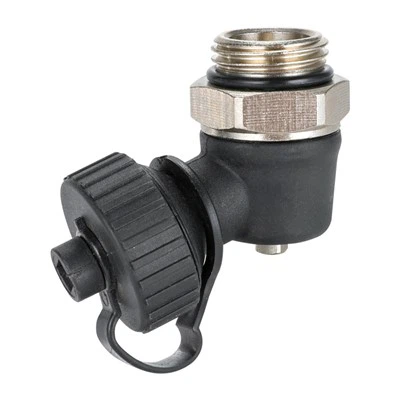
Can a ball valve manifold be used in gas applications? That's a question I get asked a lot as a supplier of Ball Valve Manifold. And the short answer is yes, but there are some important things to consider.
First off, let's talk about what a ball valve manifold is. It's basically a block with multiple valves and ports, used to control the flow of fluids or gases. The ball valves inside are like little round gates that can be opened or closed to let stuff through or stop it. Ball valve manifolds are super versatile and are used in all sorts of industries, from oil and gas to water treatment.
Now, when it comes to gas applications, ball valve manifolds have a lot going for them. One of the biggest advantages is their tight shut - off. The ball in the valve creates a really good seal when it's closed, which means there's very little chance of gas leaking out. This is crucial in gas systems because gas leaks can be dangerous, not to mention a waste of resources.
Another plus is their durability. Ball valve manifolds are usually made from tough materials like brass. We offer Brass Electroplated Manifold and Brass - colored Manifold, which are resistant to corrosion. Gas can sometimes be corrosive, especially if it contains moisture or other impurities. So having a manifold that can stand up to these conditions is really important.
They're also easy to operate. You just turn a handle, and the ball valve either opens or closes. This simplicity means that even people with minimal training can use them safely. And in a gas application, where quick and accurate valve operation can be a matter of safety, this is a huge benefit.
But it's not all sunshine and rainbows. There are some challenges when using ball valve manifolds in gas applications. One issue is the pressure rating. Different gases operate at different pressures, and you need to make sure the ball valve manifold you choose can handle the pressure of the gas in your system. If the pressure is too high for the manifold, it could lead to valve failure, which is a major safety hazard.
Temperature is another factor. Some gases need to be kept at specific temperatures, and extreme temperatures can affect the performance of the ball valve. For example, very cold temperatures can make the materials in the valve more brittle, increasing the risk of cracking.
Contamination is also a concern. Gas systems can sometimes have debris or particles in them, and these can get stuck in the ball valve, preventing it from closing properly. This can lead to gas leaks and other problems.
So, how do you make sure a ball valve manifold is right for your gas application? First, you need to do a thorough assessment of your gas system. Figure out what type of gas you're dealing with, what the pressure and temperature conditions are, and what the flow requirements are. You should also consider the environment where the manifold will be installed. Is it a clean, dry area, or is it exposed to dust, moisture, or other contaminants?
Once you have all this information, you can start looking at different ball valve manifolds. Make sure to choose one that has the right pressure and temperature ratings for your application. You should also look at the quality of the materials and the manufacturing process. A well - made manifold will be more reliable and last longer.
It's also a good idea to work with a supplier who has experience in gas applications. As a supplier, we've dealt with all sorts of gas systems, and we can help you choose the right ball valve manifold for your needs. We can also provide you with technical support and advice on installation and maintenance.
Installation is a critical step. You need to make sure the manifold is installed correctly to ensure proper operation. This includes making sure the valves are properly aligned, the connections are tight, and the manifold is securely mounted. If you're not confident in your installation skills, it's best to hire a professional.
Maintenance is just as important. Regularly inspect the ball valve manifold for signs of wear, damage, or contamination. Clean the valves if necessary, and replace any worn - out parts. This will help keep the manifold in good working condition and prevent problems down the road.


In conclusion, ball valve manifolds can definitely be used in gas applications, but you need to take the right precautions. By understanding the requirements of your gas system, choosing the right manifold, and following proper installation and maintenance procedures, you can ensure a safe and efficient gas system.
If you're in the market for a ball valve manifold for your gas application, don't hesitate to reach out. We're here to help you find the perfect solution for your needs. Whether you have questions, need more information, or are ready to place an order, we're just a message away. Let's work together to make your gas system the best it can be.
References
- "Valve Handbook" by Valve Manufacturers Association
- Industry standards and guidelines for gas systems and valve applications