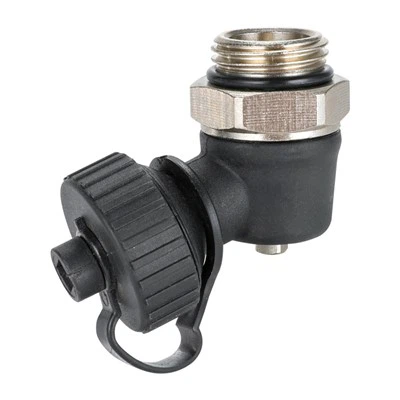
Hey there! As a supplier dealing in boiler valves, I often get asked about how different valves operate in a boiler. Today, I'm gonna zero in on the pilot valve - a crucial component.
What exactly is a pilot valve?
First off, let's understand what a pilot valve is. In simple terms, it's a small valve that controls the operation of a larger valve. In the context of a boiler, it plays a key role in regulating pressure and ensuring the safe operation of the whole system.
Think of it like a supervisor in a factory. The supervisor doesn't do all the heavy - lifting, but they control when and how the big machines start and stop. That's exactly what a pilot valve does for a boiler's main valve.
How does it work in a boiler?
1. Pressure Sensing
The pilot valve is always on the lookout for changes in pressure. Inside the boiler, as the water is heated, steam is generated. This steam creates pressure. If the pressure gets too high, it can be dangerous - like a balloon that's about to burst.
The pilot valve has a pressure - sensing element. This could be a diaphragm or a piston. When the pressure inside the boiler reaches a set point (kind of like a preset alarm), the pressure - sensing element starts to move.
Let's say we've set the pilot valve to react when the pressure hits 150 psi. Once the pressure inside the boiler climbs to 150 psi, the diaphragm starts to flex. This flexing is the first step in a chain reaction that's about to happen.
2. Opening the Valve
Once the pressure - sensing element detects the appropriate pressure, it triggers a small mechanical or electrical mechanism. In most cases, it's a mechanical link that opens a small orifice in the pilot valve.
When this orifice opens, it allows a small amount of steam or fluid to flow through. This flow then acts as a signal to the main valve. You can compare it to a messenger running from the supervisor's office to the big machine to tell it to start doing its job.
Let's go back to our boiler example. When the diaphragm flexes, it moves a small lever. This lever opens a tiny hole in the pilot valve, and steam rushes through it.
3. Controlling the Main Valve
The flow of steam or fluid from the pilot valve goes to the main valve. It acts on a piston or diaphragm inside the main valve, just like it did in the pilot valve.
If the pressure is too high, the main valve opens wider to release more steam and reduce the pressure inside the boiler. If the pressure starts to drop again, the pilot valve will close the orifice. Then, the main valve reduces its opening accordingly.
Imagine the main valve as a big gate that controls the flow of steam out of the boiler. The pilot valve is like a small key that can open or close this big gate to keep the pressure in check.
Why is the pilot valve so important?
1. Safety First
Safety is the number one concern in any boiler system. If the pressure inside the boiler gets too high, it can lead to an explosion. The pilot valve acts as a safety net. It continuously monitors the pressure and ensures that the main valve releases excess steam before things get out of hand.
Regular maintenance and testing of the pilot valve can prevent dangerous situations. It's like having a reliable alarm system in your house. You don't want it to fail when you need it the most.
2. Efficiency
A well - functioning pilot valve also helps in improving the efficiency of the boiler. By precisely controlling the pressure, it ensures that the boiler operates at its optimal level. This means less wasted energy and lower fuel costs.
For example, if the pressure is too low, the boiler may not be able to generate enough steam for the required tasks. On the other hand, if the pressure is too high, energy is wasted in pushing out more steam than needed. The pilot valve helps to find that sweet spot.
Types of Pilot Valves in Boilers
1. Pressure - Operated Pilot Valves
These are the most common type. They work based on the pressure changes inside the boiler. As I explained earlier, the pressure - sensing element detects the pressure and triggers the opening or closing of the valve.
They are simple and reliable, making them a popular choice for many boiler systems. However, they need to be calibrated correctly to ensure accurate pressure control.
2. Electric - Operated Pilot Valves
These pilot valves use an electric signal to operate. They can be more precise than pressure - operated ones. You can program them to open or close at specific pressure levels or based on other parameters.
For example, in a more advanced boiler system, you might want the pilot valve to open when the pressure reaches a certain level and also when the temperature inside the boiler exceeds a set limit. Electric - operated pilot valves can handle such complex control requirements.
Our Offerings
As a boiler valve supplier, we've got a wide range of pilot valves to suit different boiler systems. Whether you need a pressure - operated one for a simple boiler or an electric - operated one for a high - tech setup, we've got you covered.
We also offer Safety Valve and Safety Valve Set to ensure the overall safety of your boiler system. Our valves are made from high - quality materials, so you can count on their durability and performance.


If you're in the market for a new pilot valve or any other boiler valve, don't hesitate to reach out. We can help you choose the right valve for your specific needs. Our team of experts is always ready to answer your questions and provide you with the best solutions.
Whether you're a small business with a single boiler or a large industrial facility with multiple systems, we've got the products and knowledge to keep your boilers running smoothly and safely. So, let's start a conversation and see how we can work together to meet your boiler valve requirements!
References
- "Boiler Handbook" by Boiler Manufacturers Association
- "Valve Technology and Applications" by Valve Institute Press